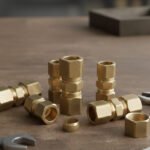
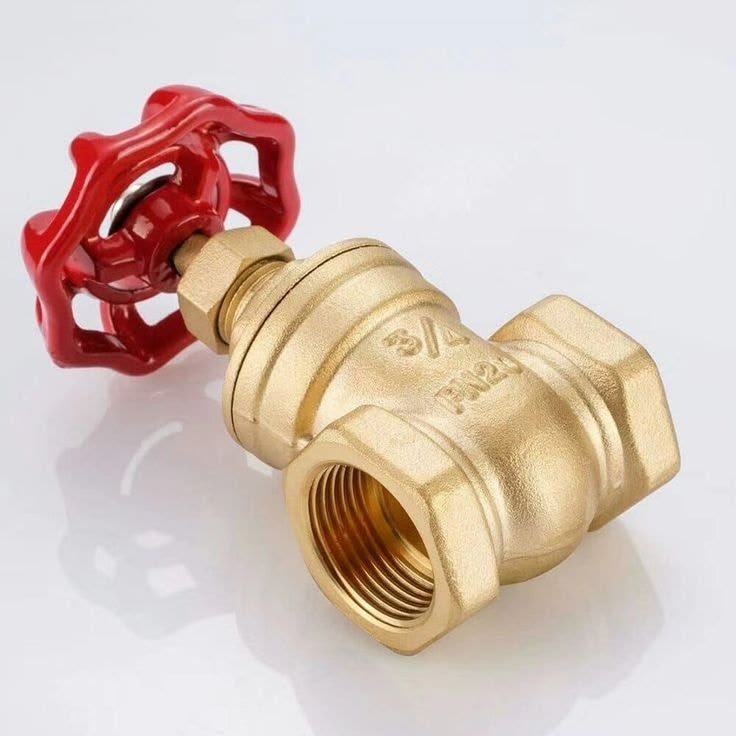
When sourcing brass valves for industrial or plumbing applications, buyers often face a critical decision: forged or cast valves. Understanding the difference helps in making cost-effective and performance-driven choices.
What Are Forged Brass Valves?
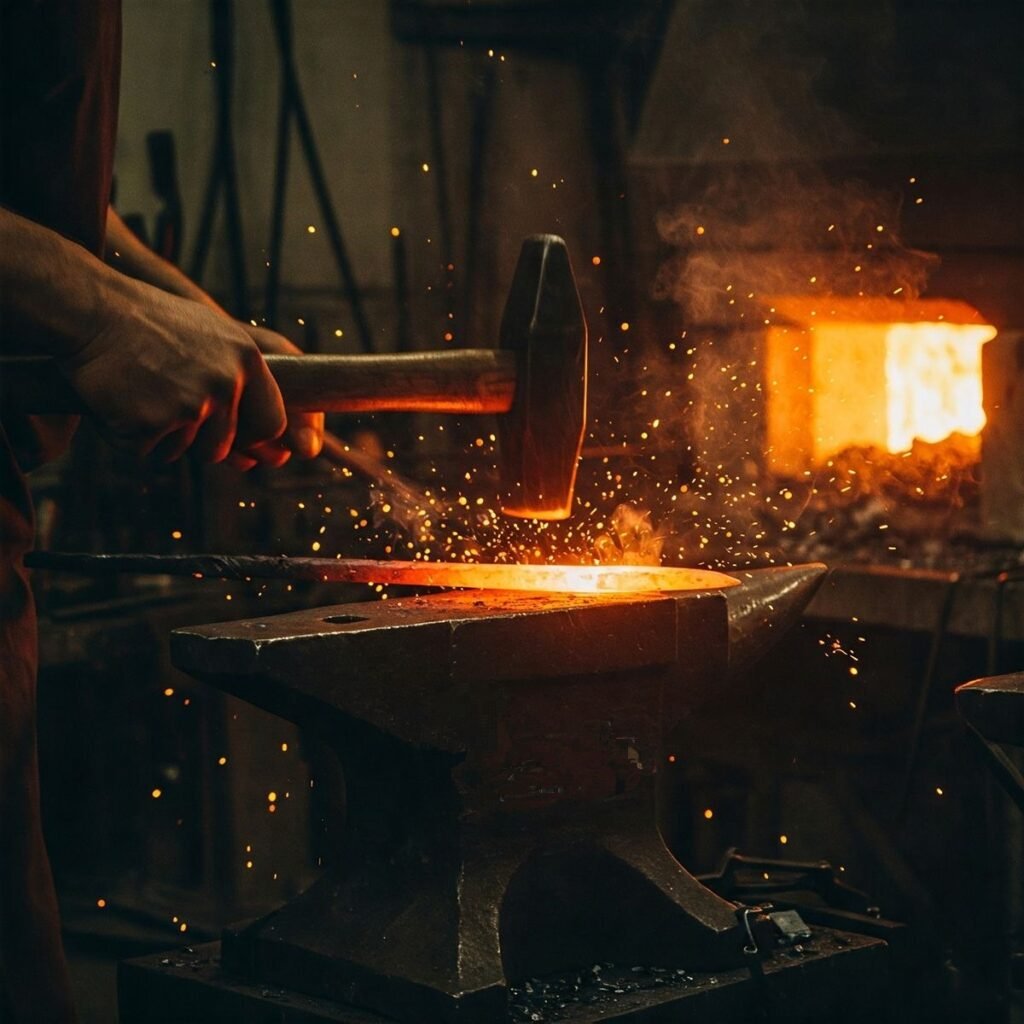
Forged valves are manufactured by shaping heated brass under high pressure, resulting in a dense and strong structure.
Applications
- Industrial pipelines
- High-pressure systems
- Oil & gas applications
What Are Cast Brass Valves?
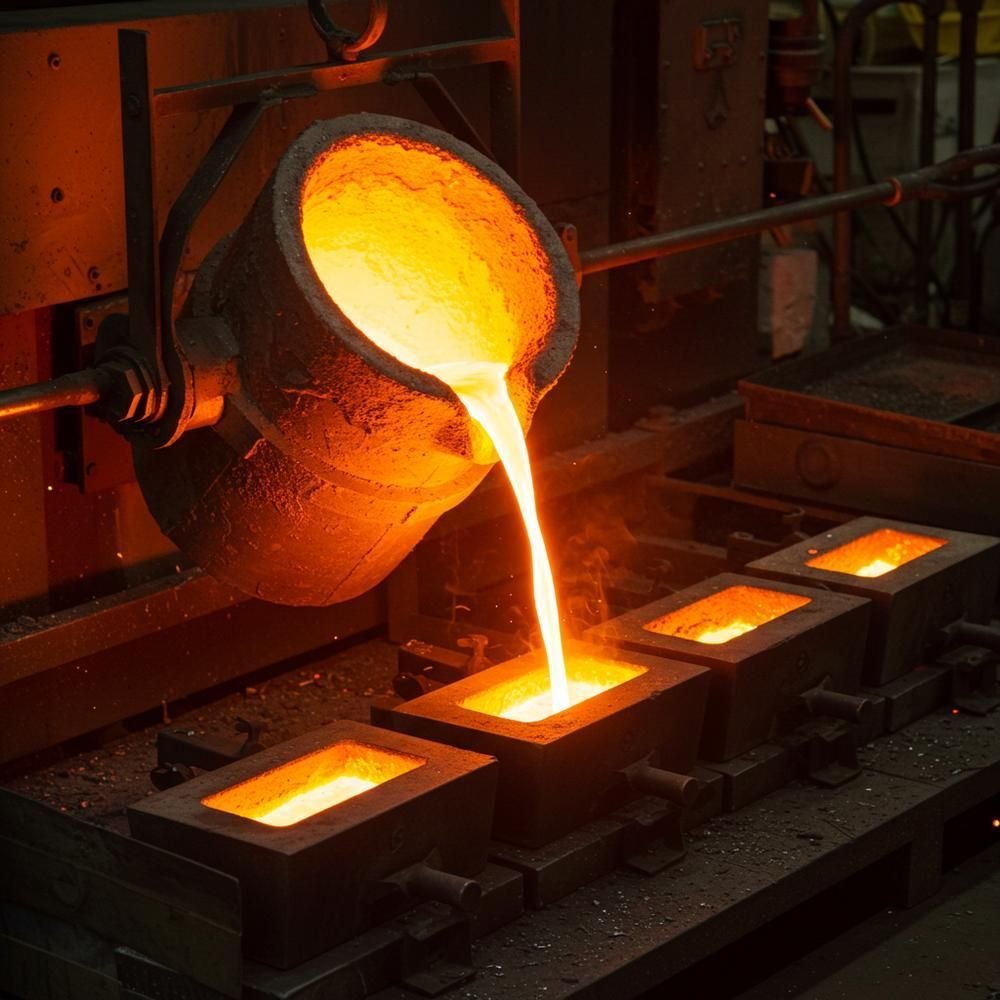
Cast valves are made by pouring molten brass into molds, allowing complex shapes but with slightly lower strength.
Applications
- Domestic plumbing
- Low-pressure water systems
Key Differences
| Feature | Forged Brass Valves | Cast Brass Valves |
|---|---|---|
| Strength | High | Moderate |
| Durability | Excellent | Good |
| Surface Finish | Smooth | Slightly rough |
| Cost | Higher | Lower |
| Pressure Handling | High-pressure systems | Medium-pressure systems |
Which One Should You Choose?
- Choose forged valves for durability and high-pressure environments
- Choose cast valves for cost-effective, low-pressure applications
Quality Considerations
Ensure compliance with:
- ISO certifications
- Pressure testing standards
- Leak-proof performance checks
Conclusion
Both forged and cast brass valves have their advantages. The right choice depends on your application, budget, and performance requirements.
📩 Call to Action
Need help selecting the right brass valves?
Reach out to Met Mantra for expert guidance and export-quality products.