Infrastructure
Infrastructure
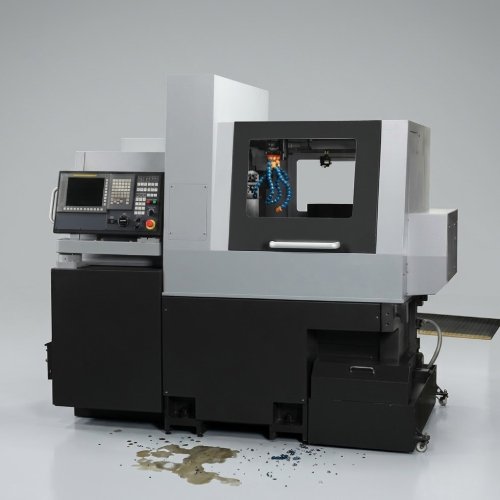
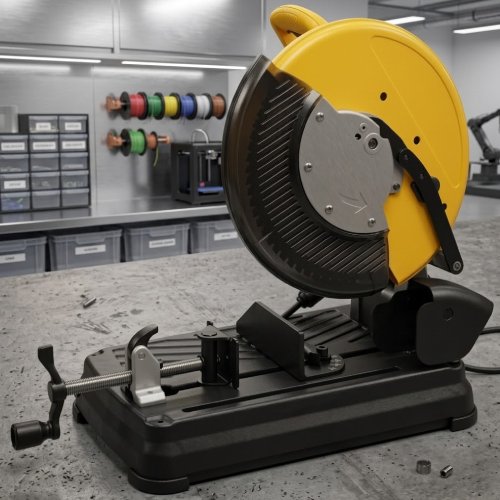
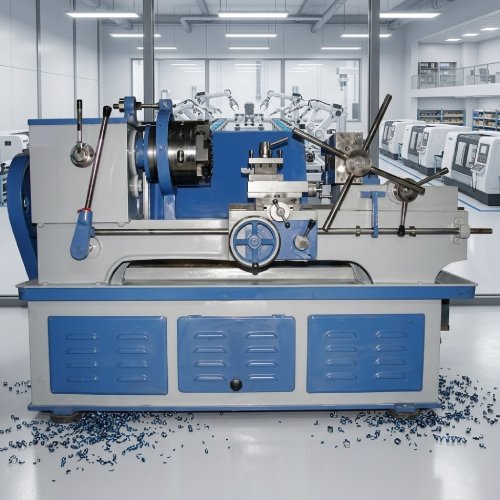
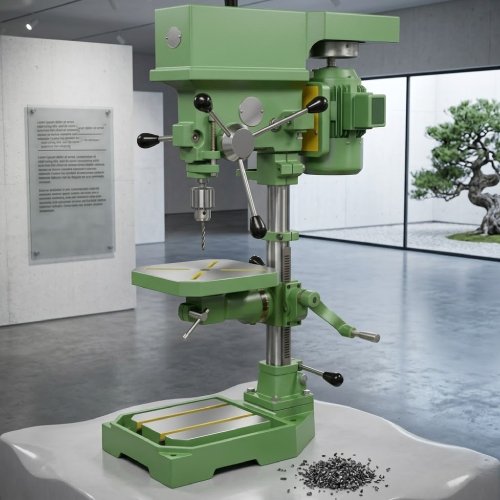
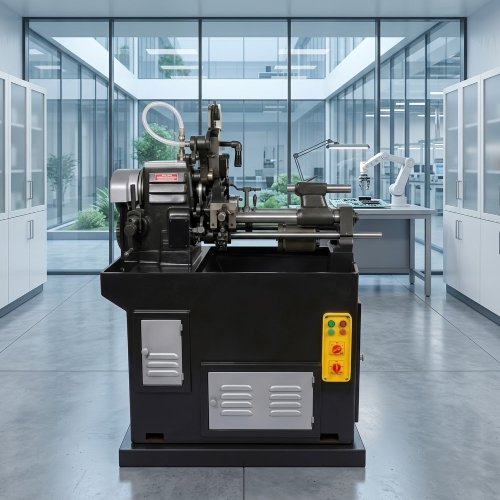
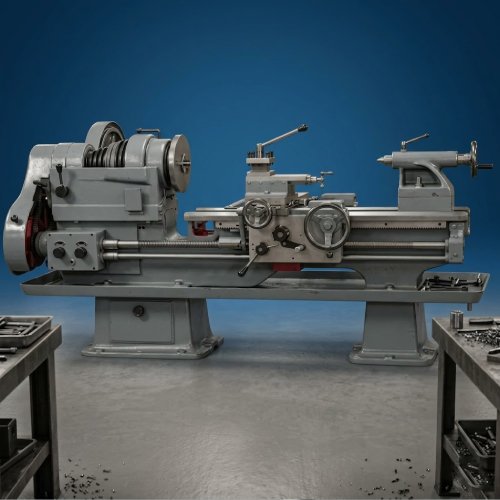
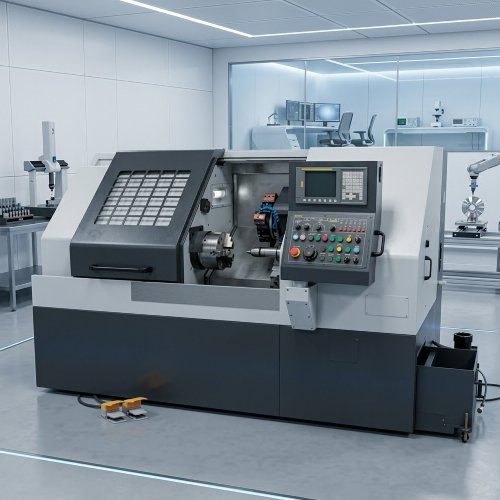
Met Mantra Global Enterprises infrastructure is built to deliver precision-engineered brass components with consistent quality and scalability for global buyers. The facility is equipped with advanced CNC turning centers, VMC machines, sliding head automats, and high-speed drilling/tapping units, enabling tight tolerances and repeatable production across high volumes. We utilize CAD/CAM systems and in-house tooling development to ensure accuracy, faster prototyping, and customization as per client drawings or international standards.
-
Machinery
CNC turning centers, VMC machines, Traub automats, multi-spindle machines, thread rolling and knurling units
-
Materials & Grades
Free Cutting Brass (C36000), Cartridge Brass (C26000), Naval Brass (C46400), lead-free and RoHS-compliant alloys
-
Quality Control
Digital measuring instruments, profile projectors, thread gauges, spectrometer testing, and batch traceability systems
-
Applications
Electrical & electronics, plumbing & sanitary fittings, automotive, hydraulic & pneumatic systems, and industrial assemblies
-
Production Capability
High-volume batch production with consistent dimensional accuracy and surface finish
-
Finishing
Nickel plating, chrome plating, tin plating, natural, and custom coatings as per buyer requirements
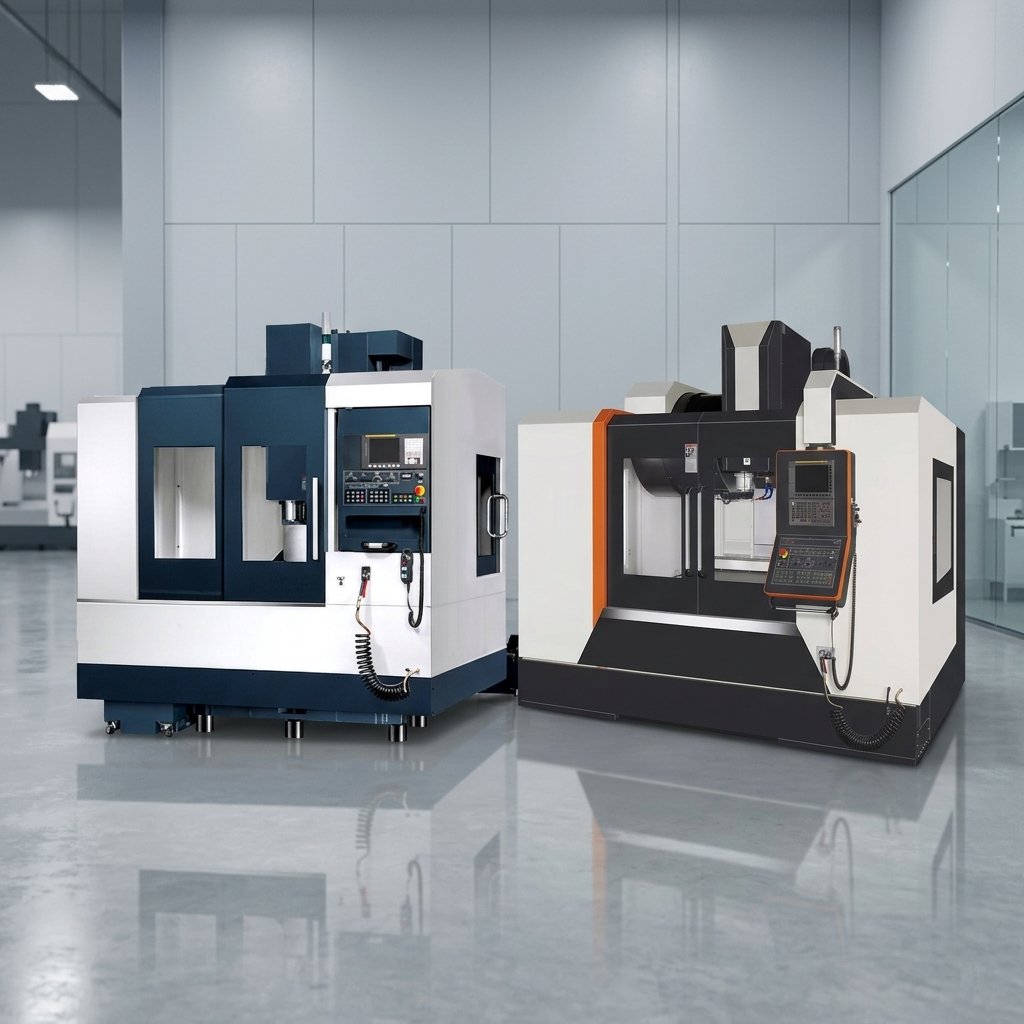
Quality Control & Testing Lab
Zero-defect delivery is our standard. Our facility includes a dedicated testing zone.
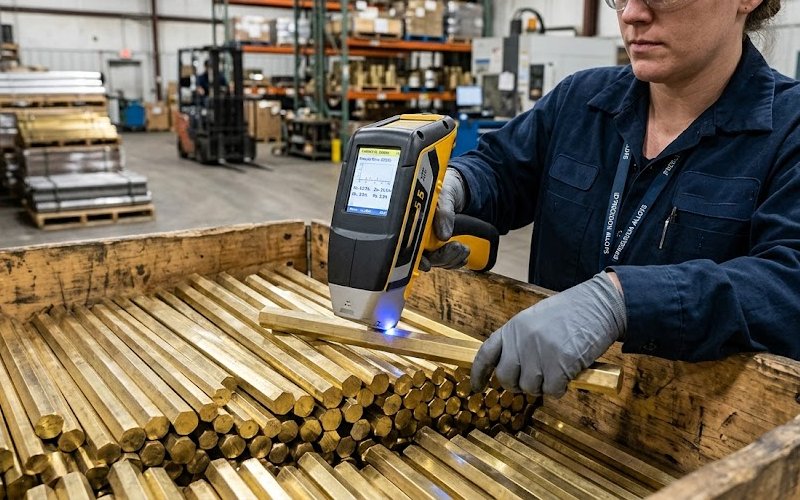
Raw Material Inspection (Composition Verification)
Before production, the raw material (copper and zinc alloy) must be verified to ensure it meets specifications and is free of unwanted impurities.
- Spectroscopy Analysis: Techniques like X-ray fluorescence (XRF) and Optical Emission Spectroscopy (OES) are used to determine the exact percentage of copper, zinc, and trace elements like lead, ensuring the alloy grade is correct.
- Chemical Analysis: Testing for impurities and checking physical properties of incoming ingots or rods.
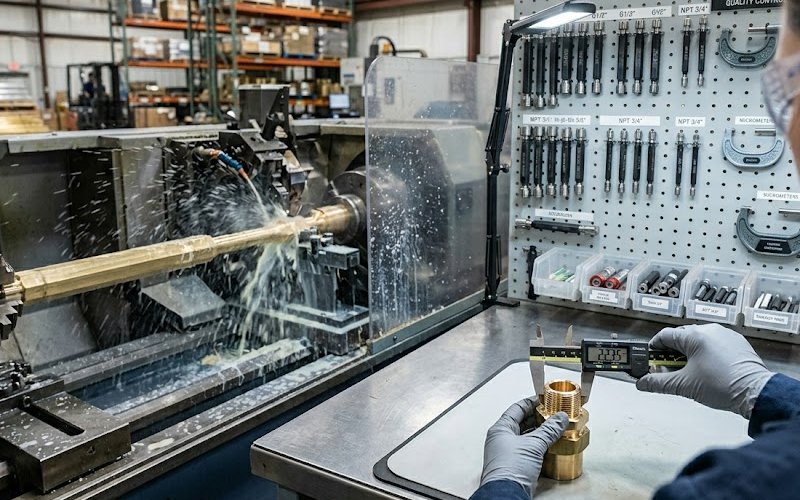
In-Process Inspection
- Dimensional Checks: Using Vernier calipers, micrometers, and thread gauges to measure parts hourly during production.
- Visual Inspection: Checking for surface flaws like blisters, tool marks, scaly surfaces, or oxidation during intermediate stages.
- Temperature Monitoring: Recording pre- heating temperatures (e.g., 840-860°C) during hot rolling.
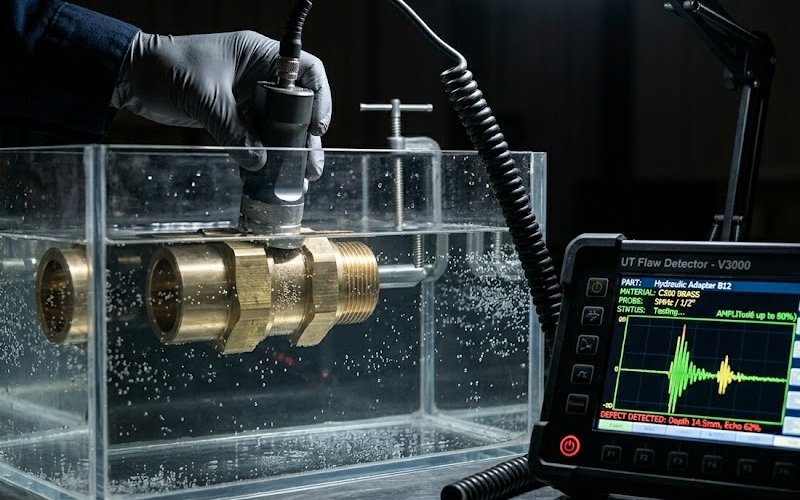
Non-Destructive Testing (NDT)
- Dye Penetrant Testing (PT): Used to detect surface-breaking cracks or porosities on casting or machining.
- Ultrasonic Testing (UT): Employs sound waves to detect internal voids, porosity, and cracks in castings or billets.
- Eddy Current Testing: Rapidly detects surface and near-surface inclusions and material property changes.
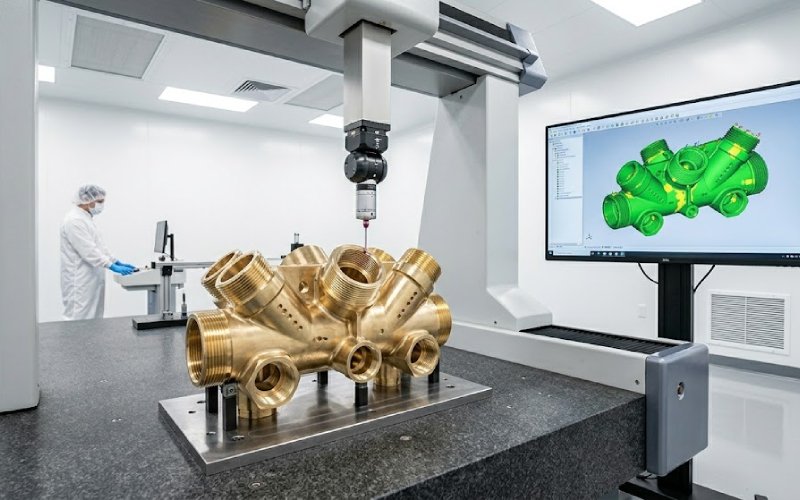
Dimensional and Geometric Inspection
- Coordinate Measuring Machines (CMM): Used for high-precision, multi-dimensional measurements.
- Optical Comparators/Profile Projectors: Project an enlarged image of complex profiles to check them against design
blueprints.
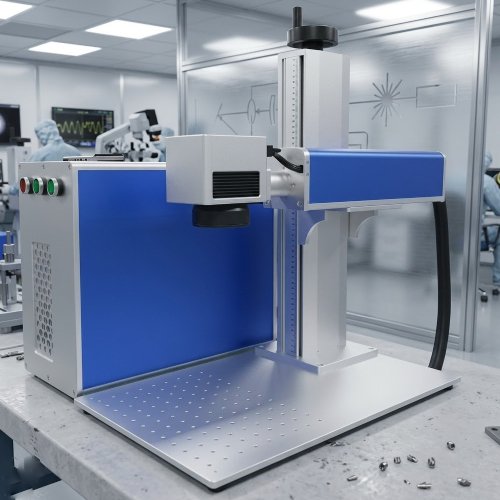
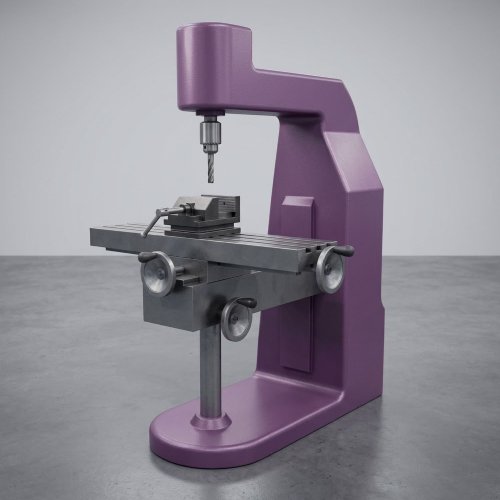
Manufacturing Facilities

Quick Links
States
- Uttar Pradesh
- Gujarat
- Haryana
- West Bengal
- Telangana
- Tamil Nadu
- Kerala
- Maharashtra
- Karnataka
Countries
- United States
- Vietnam
- United Kingdom
- United Arab Emirates
- Germany
- Australia
- Malaysia
- China
Contact Details
- info@metmantra.com
-
Om Vijay Bhatt:
+91 8788119513 -
Jigish Vijay Bhatt:
+91 8857997696 - Registered Office : A977/1953, 2nd floor Nirvana Apartment, opposite Maheshwari hospital, kailash colony, Ulhasnagar - 421005, District - Thane,, Maharashtra
- Associated Manufacturing Facility : G.I.D.C Phase - III, Dared, Jamnagar - 361004, Gujarat